
Choosing the right fabric marking tool is a crucial yet often overlooked part of sewing. For beginners, two of the most common options are tailor’s chalk and fabric Erasable pens. But which one is best to start with?
In this article, we’ll explore the differences between tailor’s chalk and fabric erasable pens, compare their pros and cons, and help you decide which suits your needs better as a beginner.
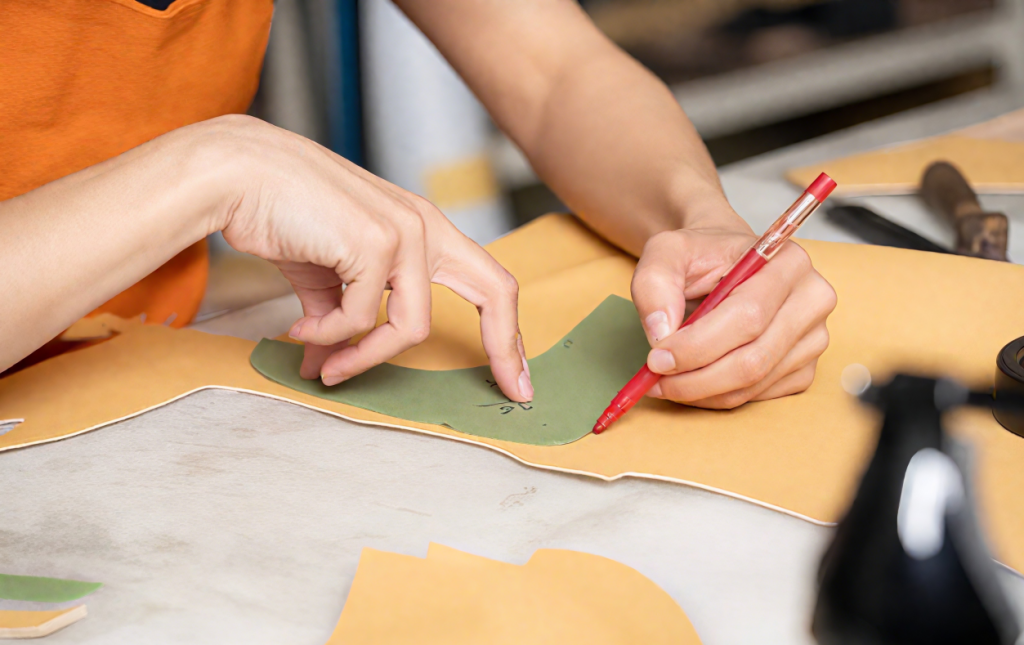
Before you even thread your machine, fabric marking is usually the first step in a sewing project. Your lines need to be accurate, visible, and most importantly, removable. The wrong tool can stain fabric, leave permanent marks, or be invisible when you need it most.
That’s why understanding your options—especially between chalk and pen—can save you time, fabric, and frustration. For beginners learning new techniques, tools that are intuitive and error-tolerant can make a big difference.
What Is Tailor’s Chalk?
Tailor’s chalk is a traditional fabric marking tool used for generations in both home sewing and industrial garment production. It’s made from materials such as kaolin clay, wax, or chalk-based powders, and comes in triangular, rectangular, or square forms. The triangular variety is particularly popular because of its ability to mark with all three corners and its ergonomic grip.
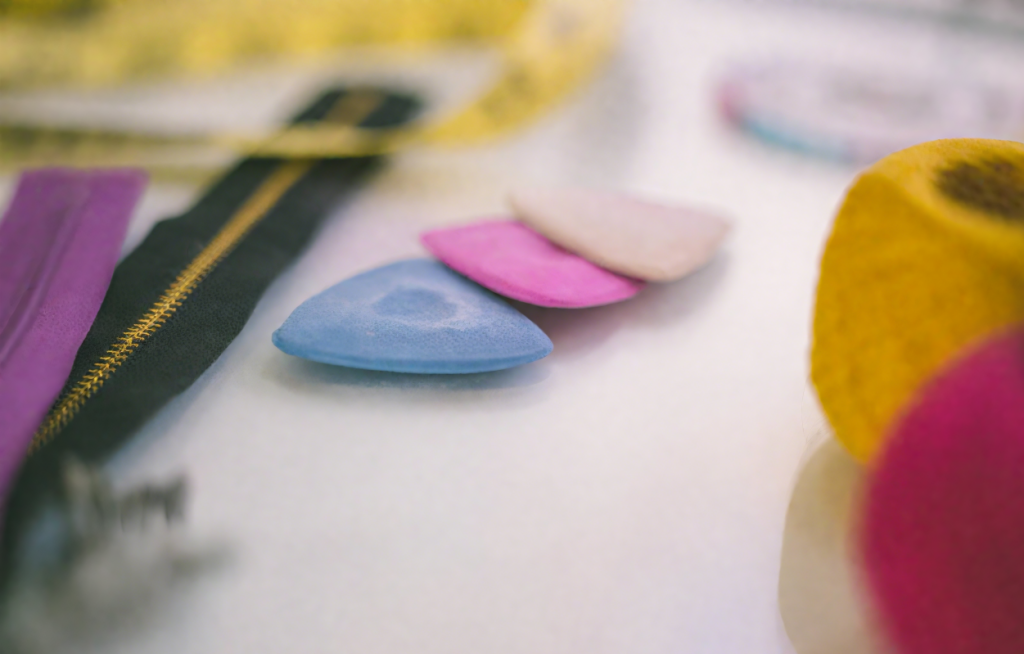
Tailor’s chalk is available in various colors such as white, yellow, blue, and red, allowing visibility on both dark and light fabrics. Most tailor’s chalks are designed to brush off easily, but some modern versions include water-soluble or heat-erasable formulas for cleaner finishes.
Types of Tailor's Chalk:
Tailor’s chalk generally falls into three main categories, each with unique characteristics:
- Clay-based chalk is the traditional version, offering crisp, clean lines that are easy to brush off. It’s a go-to option for most standard sewing tasks due to its balance of precision and removability.
- Wax-based chalk provides stronger, more durable marks that adhere better to textured or heavyweight fabrics. These marks can typically be removed by applying heat, such as through ironing, making them ideal for materials where standard chalk would fade too easily.
- Water-soluble chalk combines a softer texture with easy washability, making it a beginner-friendly option. It’s particularly suitable for delicate fabrics where minimal friction is desired and water removal is preferred over brushing.
Pros:
Affordable and widely accessible
No risk of ink bleed-through
Comes in multiple colors for fabric contrast
Can be sharpened for precision lines
Cons:
Fragile; prone to cracking or crumbling
Marks may smudge before sewing
Needs regular sharpening or shaping
Some chalks leave behind residue if not brushed off properly
What Are Fabric Erasable Pens?
Fabric pens, also known as fabric marking pens or erasable fabric pens, are more recent innovations in the sewing world. They use specialized ink that disappears under certain conditions: heat, water, or air exposure. Most pens offer fine-tipped points (0.5mm to 1mm) that are great for detailed work, making them highly favored for embroidery, topstitching, and quilting.
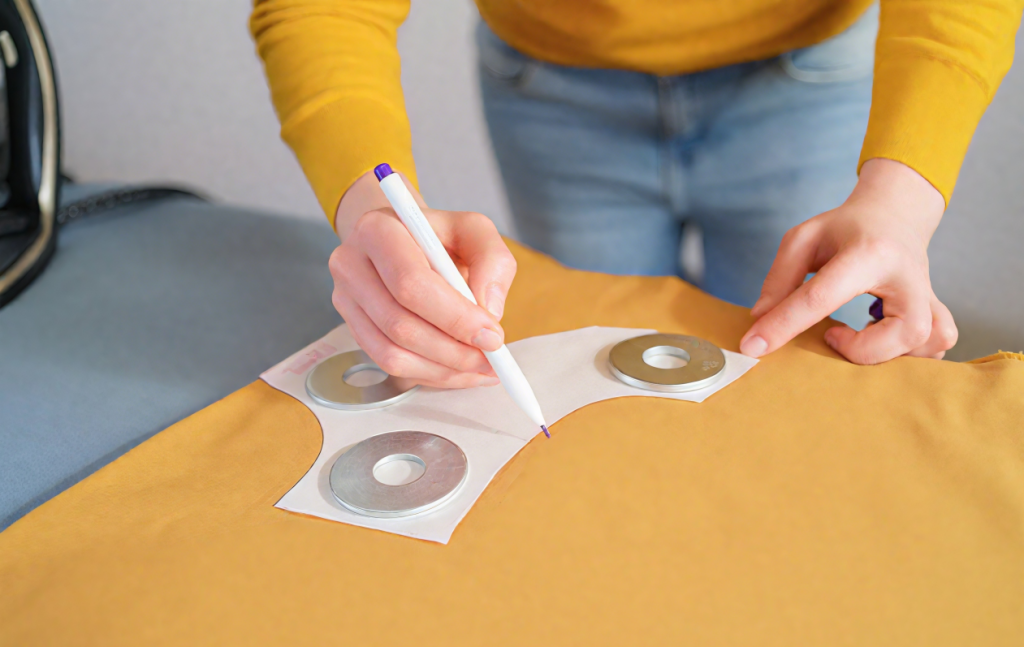
Fabric pens are especially beneficial for beginners who want precision and ease of use. They look and feel like ordinary pens, which makes them less intimidating for those just starting out.
There are also three main types of fabric erasable pens:
- Water-erasable pens: These markings can be easily removed by dabbing with a damp cloth or rinsing in water, making them ideal for most washable fabrics.
- Air-erasable pens: The ink fades naturally over time, usually within 1 to 14 days, depending on humidity and ink formulation—perfect for short-term marking or time-sensitive projects.
- Heat-erasable pens: These use thermosensitive ink that disappears when exposed to high temperatures, such as ironing or steaming (typically at 80°C or above). This type is popular for clean finishes in embroidery and topstitching.
In addition to their core types, many fabric pens now include advanced features for added flexibility:
- Some pens are dual-tipped, offering both fine and broad tips, or two ink colors in one pen.
- Others come with a built-in eraser tip or sponge, allowing for manual removal or adjustments.
- To suit various fabric tones, fabric pens are available in multiple ink colors like blue, purple, white, and pink.
Pros:
Very precise; perfect for curves and small details
Intuitive for beginners familiar with regular pens
Easy to remove with little to no residue
Doesn’t crumble or break like chalk
Cons:
Some ink may reappear in cold weather (heat erasable)
Air erasable ink may fade too quickly in humid environments
Slight chance of staining certain synthetic fabrics
More expensive per unit compared to chalk
Comparison: Key Factors for Beginners
1. Ease of Use
2. Fabric Compatibility
Chalk works well on most fabrics, especially thicker or textured ones, but may feel rough on delicate materials like silk or knits.
Pens are better suited for cotton, linen, and synthetic blends. Just be cautious—some specialty fabrics may not erase cleanly.
3. Marking Visibility
Tailor’s chalk comes in a few standard colors and shows up well on dark fabrics.
Fabric pens are available in a wider range of ink colors, making them ideal for marking on light or dark fabrics and for detailed work.
4. Removal and Clean Finish
Chalk marks can be brushed off, but they may blur or fade during handling.
Pen marks usually disappear cleanly with water, heat, or air, but it’s important to remove them in time to avoid permanent staining.
5. Cost and Availability
Chalk is budget-friendly and lasts a long time, making it a great option for frequent use.
Pens are slightly more expensive and may dry out over time or wear down at the tip, especially with heavy use.
Which One Should Beginners Use?
Both tools offer strong advantages, but your choice should depend on these key factors:
Project Type:
For basic cutting, pleats, or seam lines: Chalk is forgiving and fast
For intricate embroidery or quilting: Pens offer better accuracy
Fabric Type:
Use chalk on napped or thick materials like denim, canvas, and wool
Use pens on cotton, linen, or silk for thin, visible lines
Environment:
Pens may be affected by temperature or humidity, especially air erasable types
Chalk is stable under most conditions but physically fragile
Final Thoughts
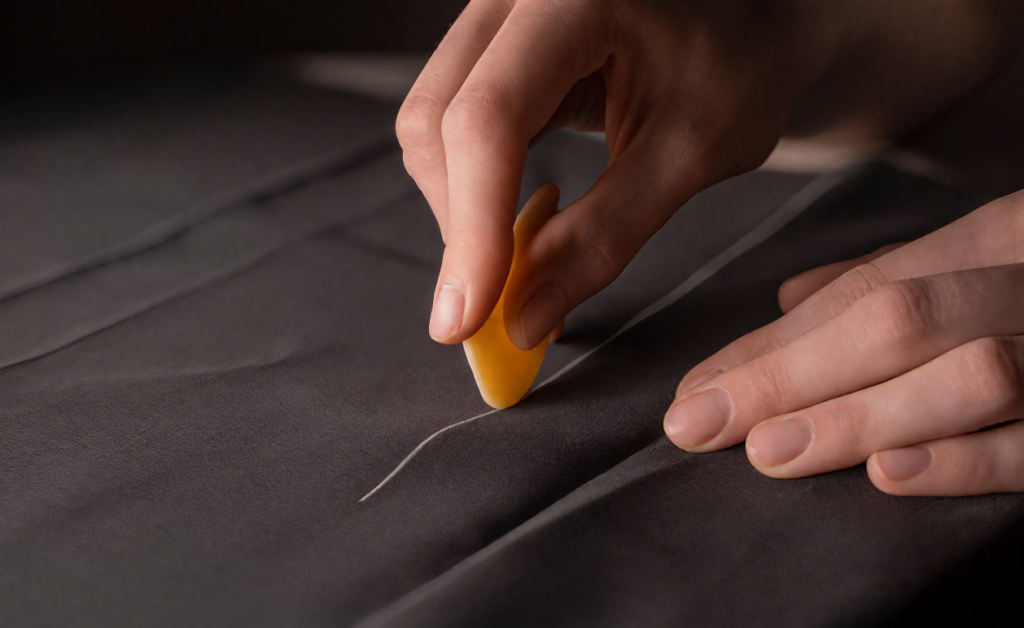
For beginners, both tailor’s chalk and fabric erasable pens are valuable tools. Rather than choosing just one, we recommend having both on hand. Use chalk for large layout markings and quick edits, and pens for detailed designs or embroidery.
The key is to test each tool on your specific fabric type and practice using them in your workflow. With time, you’ll find your favorite based on comfort, performance, and convenience.


