
Ever stitched a beautiful seam—only to discover the marking lines won’t come off?
Whether you’re sketching quilt blocks, tracing embroidery patterns, or outlining seams, the way you mark your fabric can make or break your project. That’s where fabric erasable pens come in. These smart tools help you create clean, precise lines that vanish when you need them to—without stains, smudges, or second guesses.
Table of Contents
Why Fabric Marking Tools Are Essential
Marking is one of the first steps in any sewing or quilting project, and it can also be one of the trickiest—especially on dark fabrics, delicate weaves, or layered pieces.
Unlike tailor’s chalk or tracing paper, erasable fabric pens give you:
- Sharper, more accurate lines
- Easy application, even on fine details
- Clean removal—without tearing or damaging the fabric
They’re especially helpful for:
- Pattern transfers
- Seam lines
- Pleats, darts, and button placements
- Temporary layout guides
And because they feel just like regular pens, they’re perfect for both beginners and pros.
Types of Fabric Erasable Pens
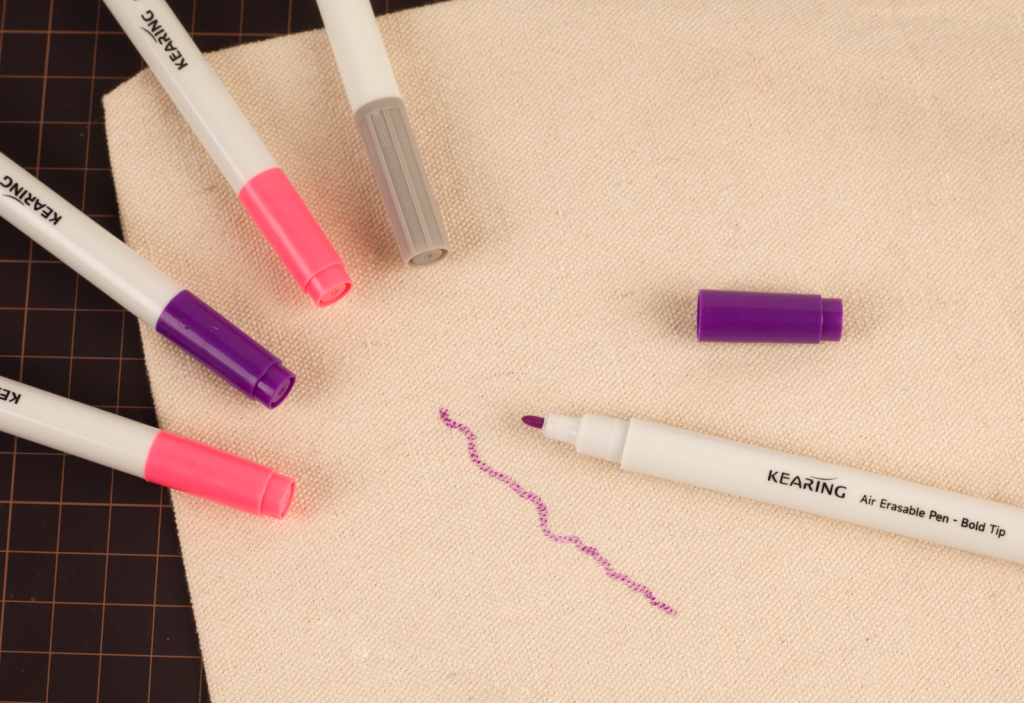
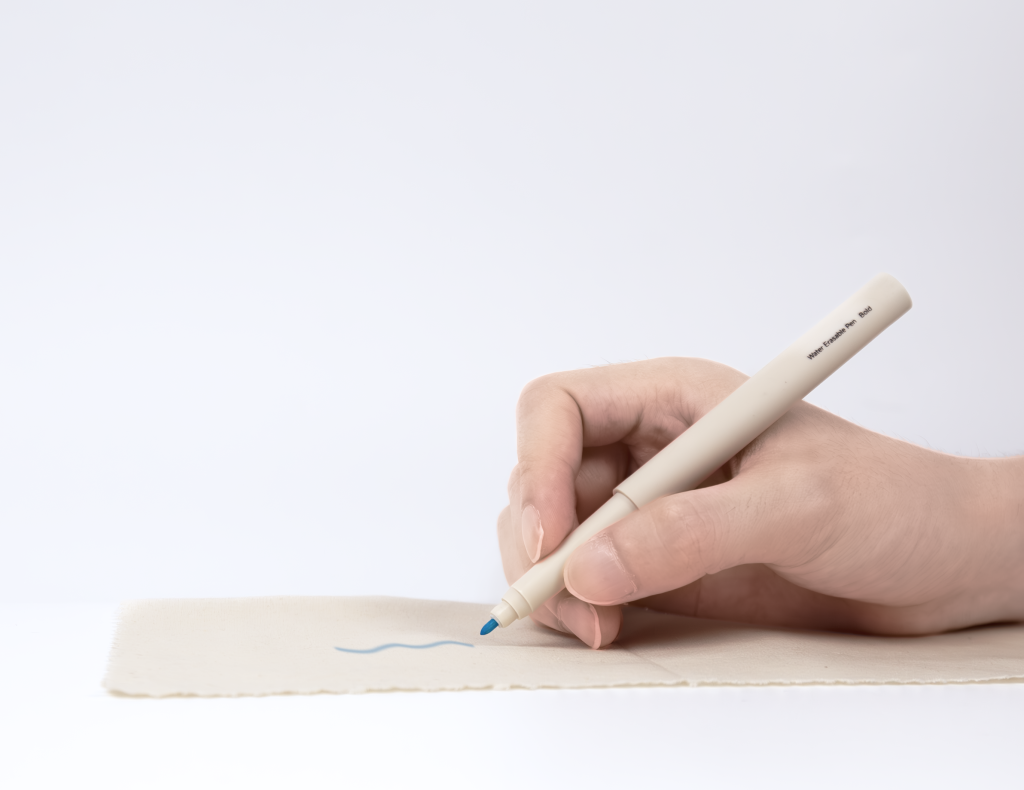
Water Erasable Pen
Ideal for embroidery, quilting, and other projects that won’t be handled much before washing. The marks stay visible until rinsed or dabbed with a damp cloth, making them perfect for long sessions or precise positioning. However, exposure to steam or high humidity can sometimes cause premature fading or spreading, so they’re best used in controlled conditions.
Air Erasable Pen
Air erasable pens, on the other hand, are great for fast-paced or temporary work. Their marks naturally vanish over time—typically within 24 to 168 hours depending on the ink formula and fabric type. This makes them perfect for marking darts, pleats, or button placements you plan to sew right away. Just be cautious: if you leave your work unfinished for too long, the lines may disappear before you’re ready.
Heat Erasable Pen
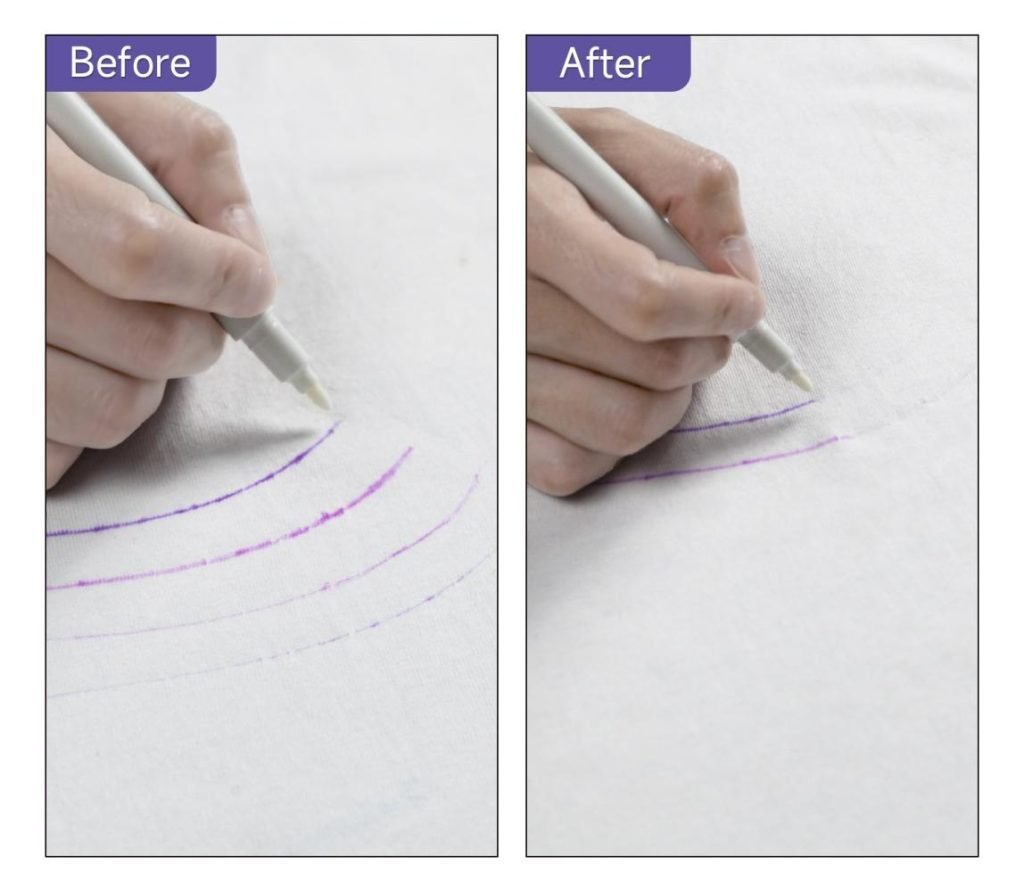
Offering clean, crisp marks that disappear instantly with the touch of an iron. These pens are a favorite for tailoring, appliqué, and detailed quilting layouts, where you want fine lines that won’t smudge and can be quickly removed during pressing. Just make sure the fabric can tolerate heat, and always test in a hidden area to ensure no ghost lines remain.
Each pen type serves a distinct purpose, and for more complex projects, many sewists keep more than one kind on hand. Knowing when to use which—alone or in combination—can help you work more efficiently and achieve cleaner, more professional results.
How to Use Fabric Erasable Pens Properly
Correct usage of your fabric marking pen ensures clean results and extends the life of your materials.
Marking Tips:
- Always test on a fabric scrap before use
- Choose a single-tip nib for a single purpose, or a dual-tip nib for added versatility (e.g. 0.5mm/1mm nib or eraser marker)
- Use light pressure to avoid pushing ink too deep into fibers
- Let the ink dry briefly before handling
- Keep caps tightly closed to prevent ink from drying out
Erasing Techniques:
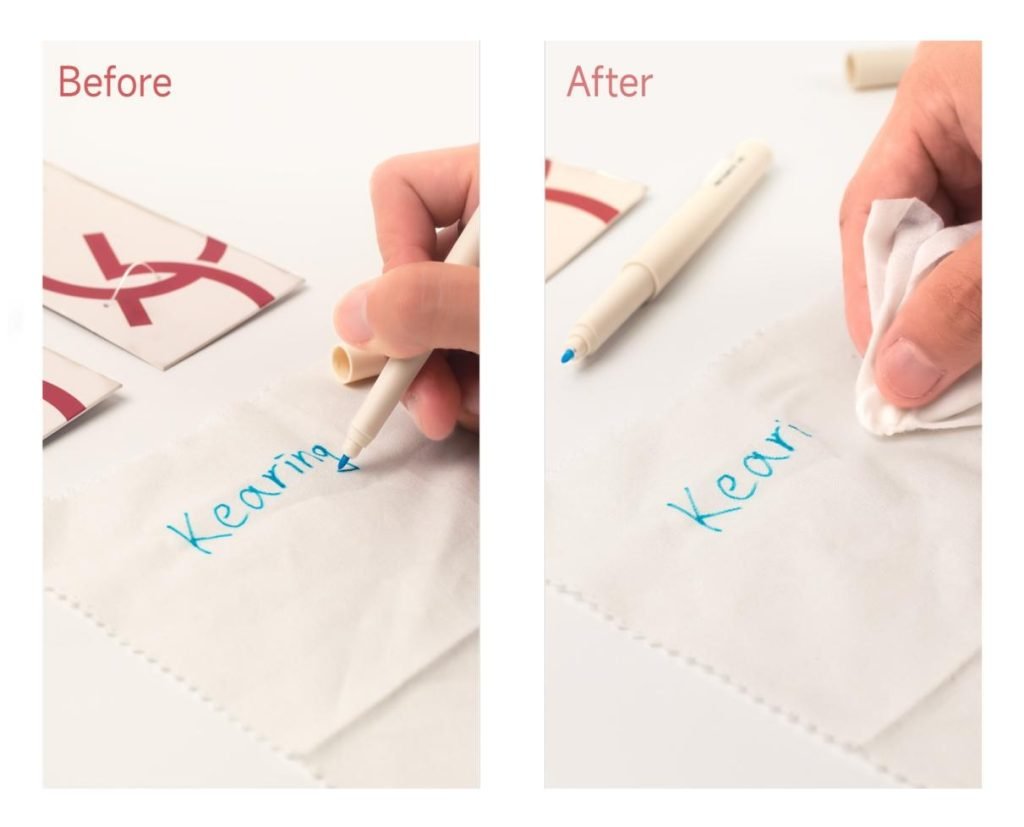
- Water Erasable Pens: Dab gently with a damp cloth or rinse with clean water
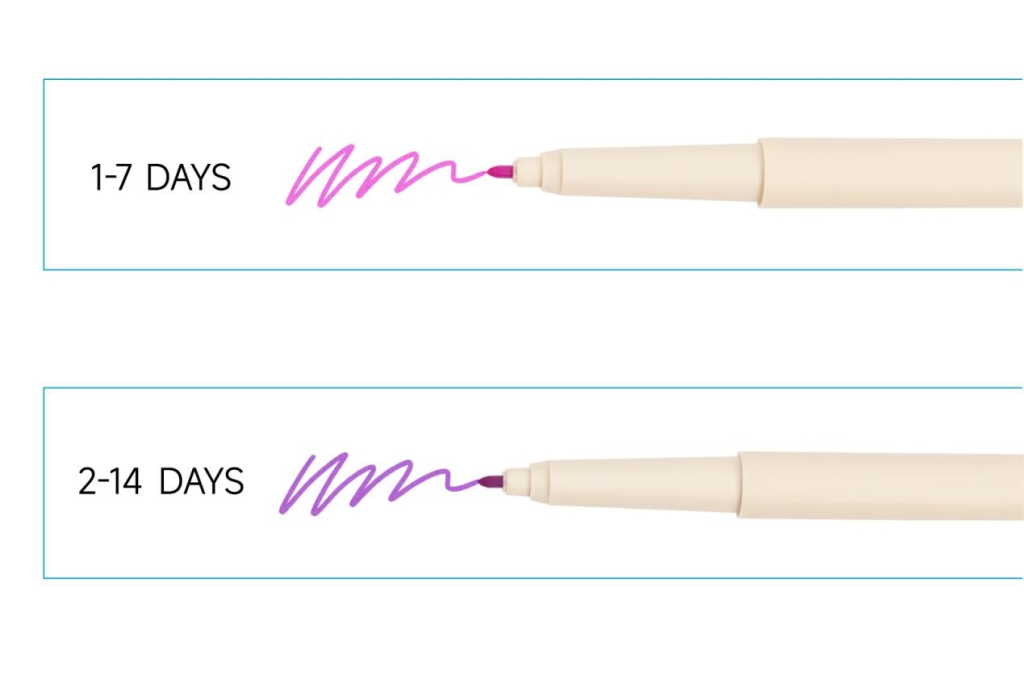
- Air Erasable Pens: Allow natural evaporation (1–14 days depending on ink color)
- Heat Erasable Pens: Apply heat with an iron (typically >80°C for fading, >120°C for full erase)
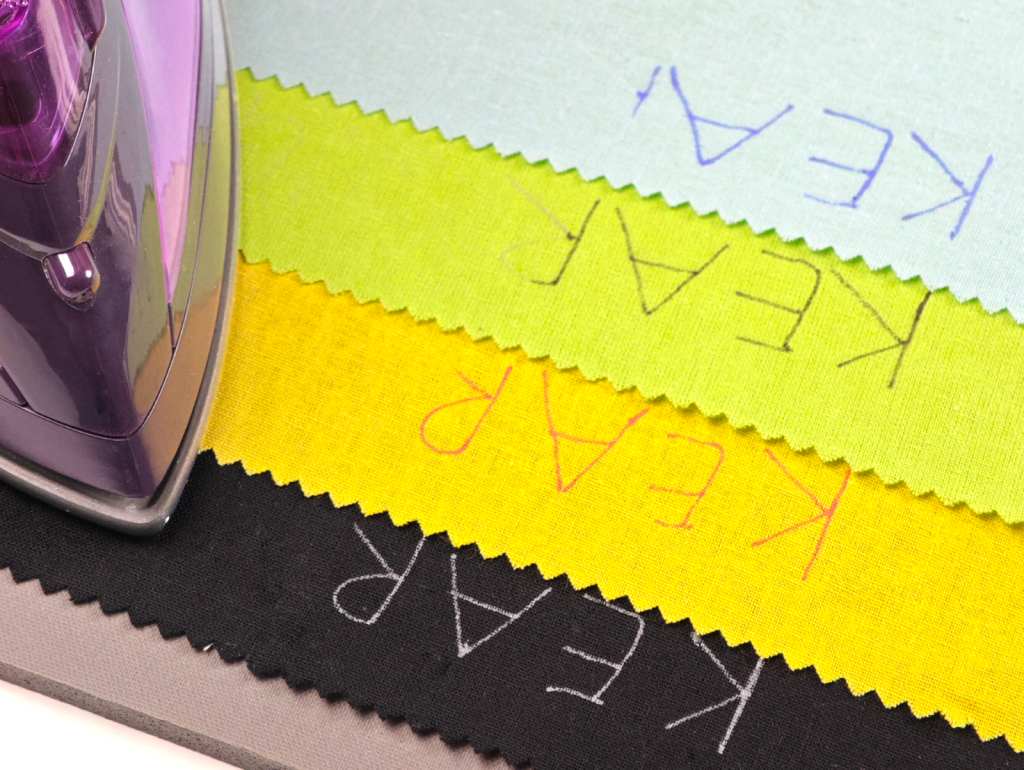
Pro Tip: For larger production runs, pairing fabric erasable pens with steam presses or water sprayers can significantly improve efficiency while maintaining fabric integrity.
Common Mistakes to Avoid
Even experienced sewists sometimes run into issues. Here’s what to watch out for:
Mistake 1: Skipping the Test
Fabric compositions vary. Always pre-test on scrap to avoid ghost marks or discoloration.
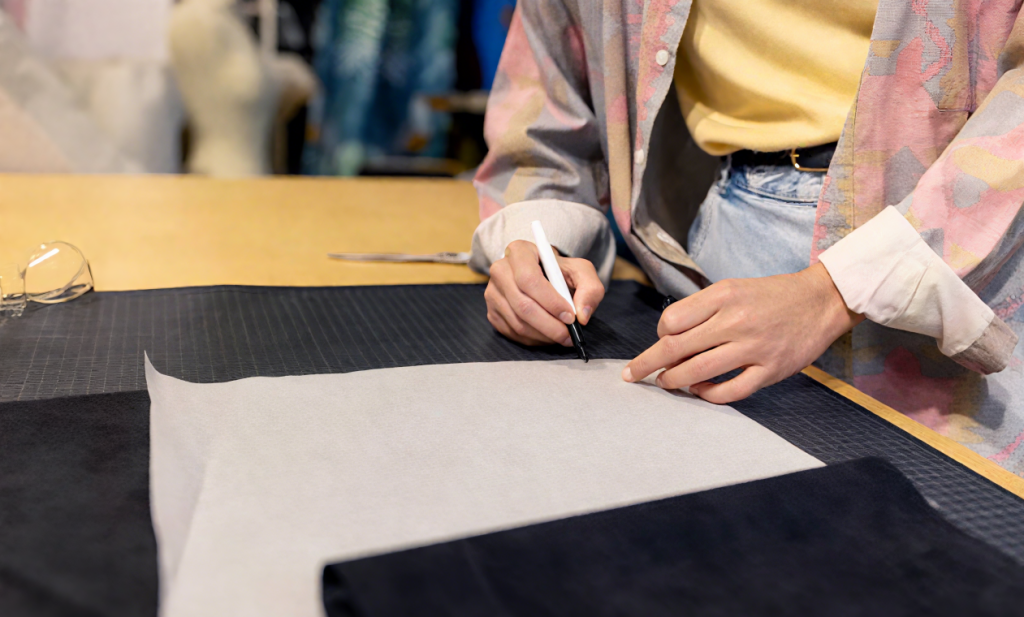
Mistake 2: Using the Wrong Pen for Fabric Type
- Use white water erasable pens for dark fabrics
- Use blue water erasable pens for light fabrics
- Heat erasable pens may leave shadows on some dark materials
Mistake 3: Expecting Air Erasable to Last Too Long
Mistake 4: Storing Pens Incorrectly
Store fabric marking pens horizontally and avoid direct sunlight. Exposure to air can dry the tips prematurely.
Recommended Fabric Erasable Pens
Kearing offers a curated line of fabric erasable pens with options to fit any project:
Water Erasable Pens:
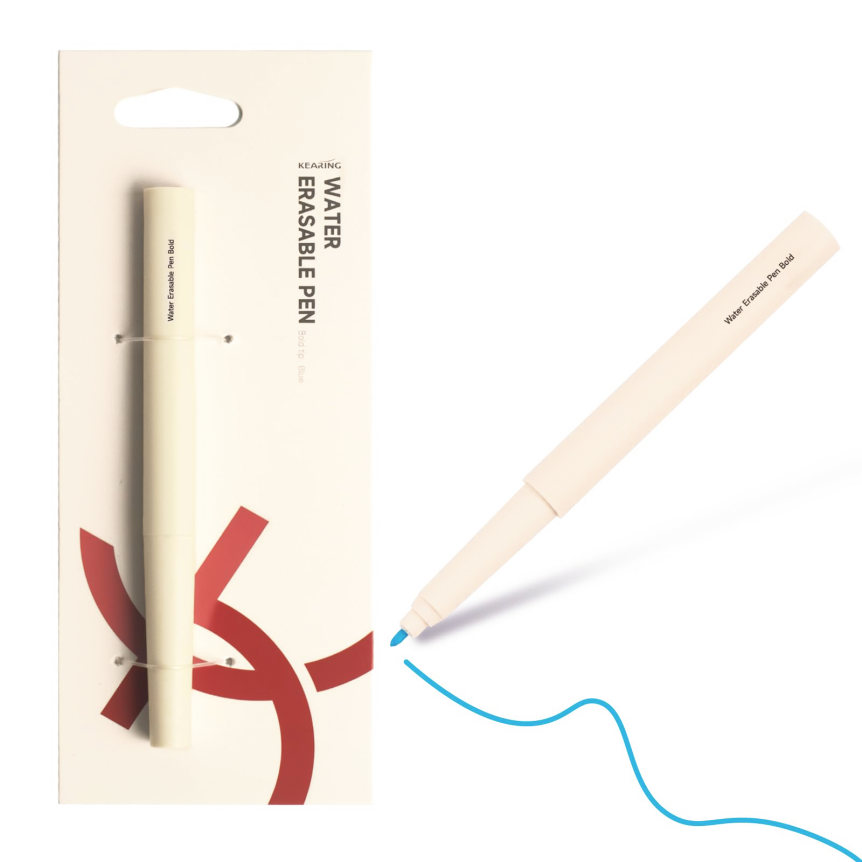
- Blue Tip: Ideal for light fabrics – smooth, clean ink
- White Tip: Excellent visibility on dark materials
- Marks can be removed easily with a damp cloth or rinse
- Pink Ink: Fades in 1–7 days
- Purple Ink: Fades in 2–14 days
- Perfect for fast-paced projects like temporary pleat layouts
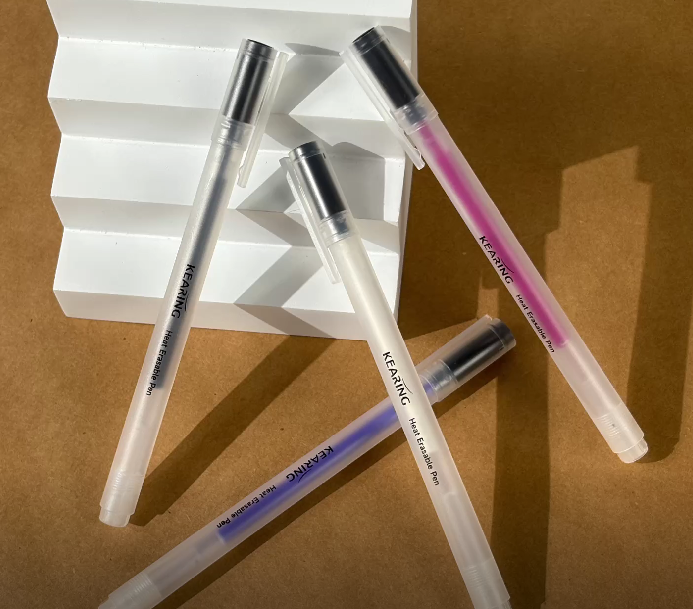
- Colors: Black, Blue, White, Pink
- Easily removed with a household iron
- Great for sewing, embroidery, quilting, leather & craft projects
- Ink disappears at 80°C and fully erases at 120°C
Final Tips & Best Practices
- Store pens horizontally with caps closed tightly
- Don’t iron over markings you want to keep
- For added convenience, try Kearing’s Eraser Marker to remove air erasable ink instantly
- Combine pen types for multi-stage projects (e.g. heat erasable for layout, water erasable for final stitching)
- Avoid prolonged exposure to light or humidity for air erasable ink
- By tailoring your fabric marking approach to your project’s needs, you can ensure smoother workflows and cleaner results.
Conclusion
From accurate darts to crisp quilting lines, choosing the right fabric erasable pen can make all the difference. With a variety of colors, ink types, and tip styles, you’re sure to find a pen that fits your fabric, timeline, and technique.
Upgrade your sewing kit with professional-grade fabric marking tools from Kearing and enjoy cleaner finishes, better precision, and more creative freedom.


